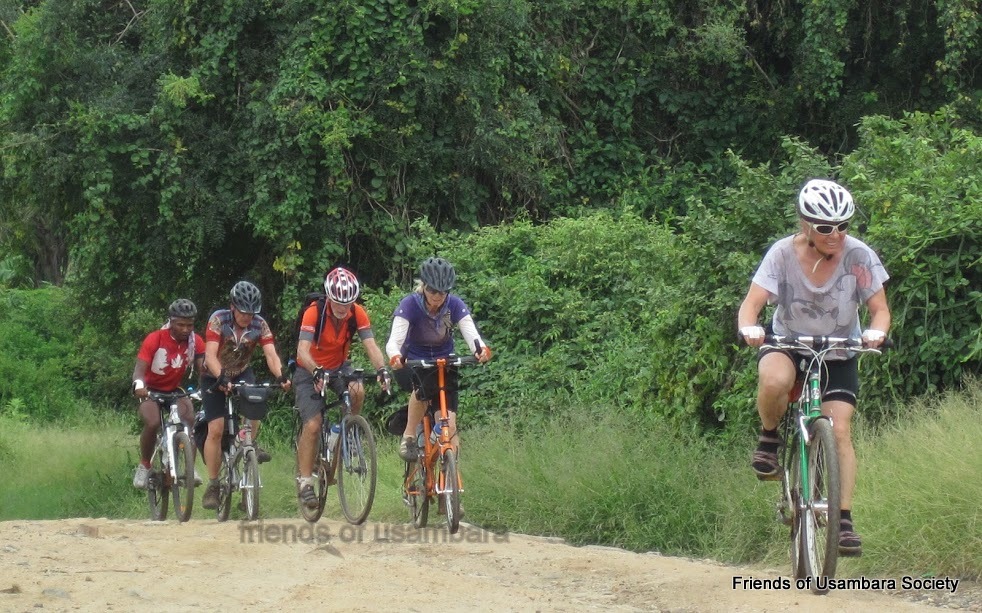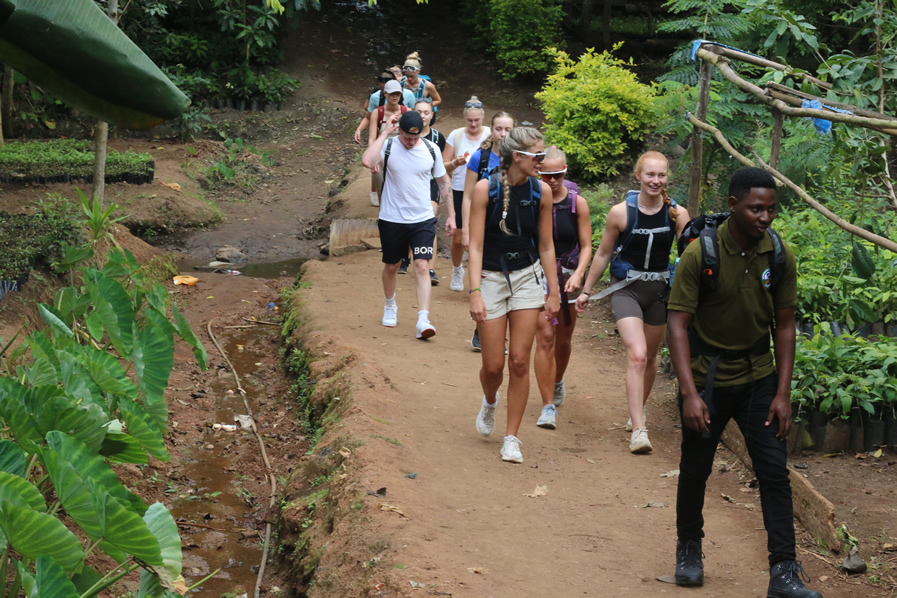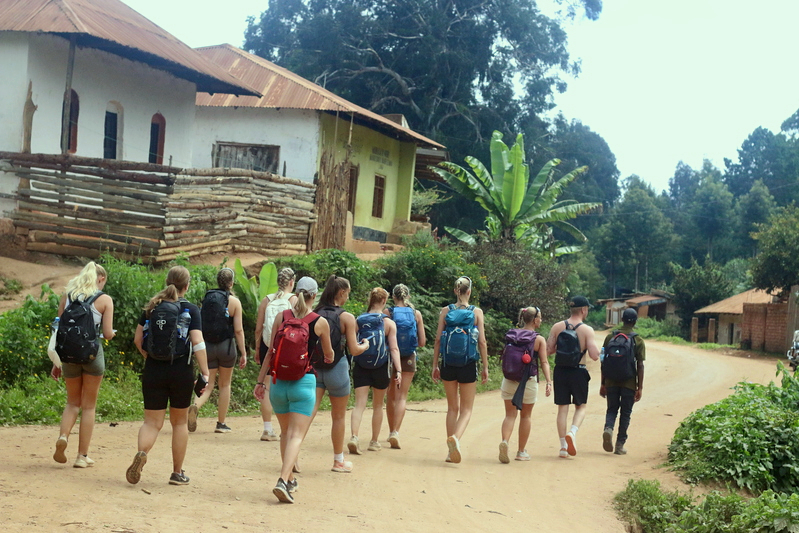

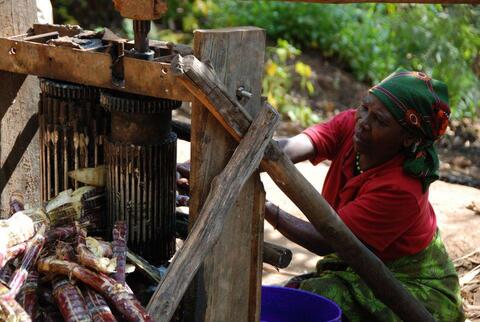
Explore the captivating beauty and rich history of the Usambara Mountains with Friends of Usambara Society’s friendly biking tours
Type: Adventure Holiday
Duration: 10 days
Customise: This Adventure Holiday can be customized
Country: Tanzania
Persons: minimum (2)
Accommodation: Local lodge and Camping
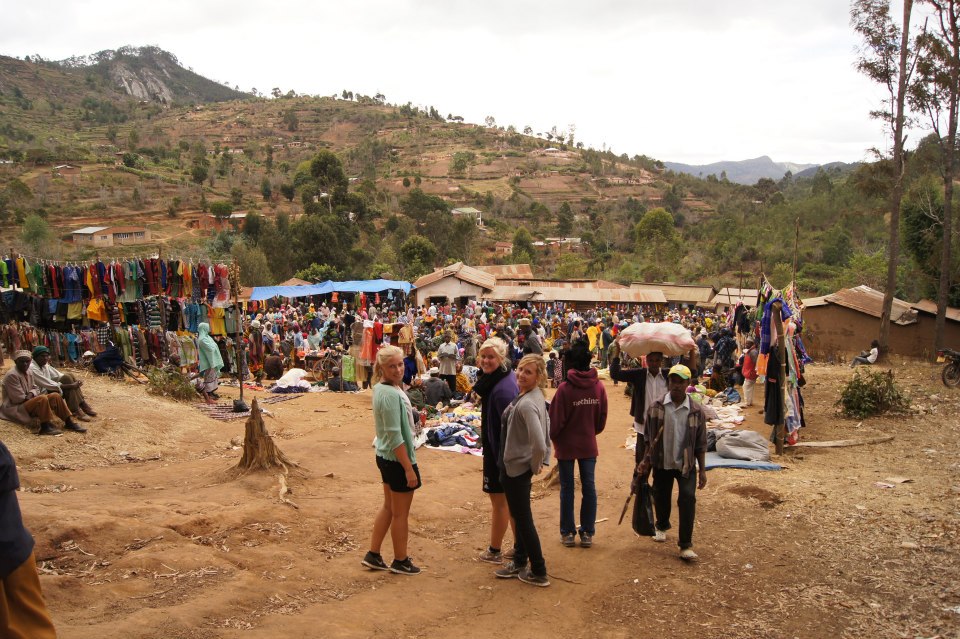
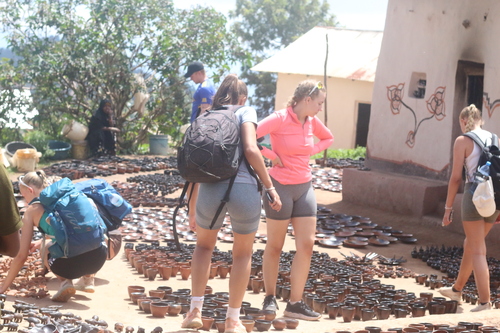
Cultural: School visit, Potery Traditional Healer
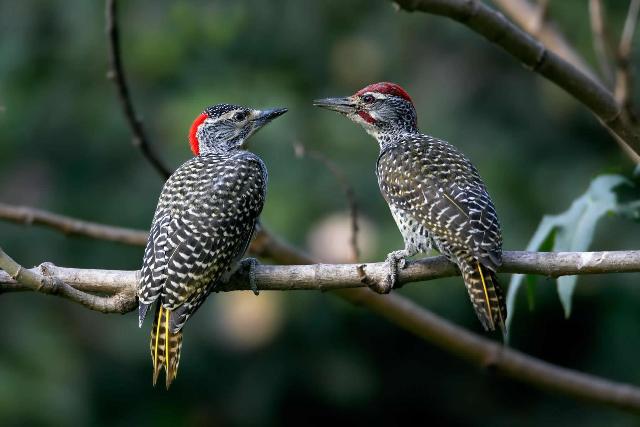
Activities: Cycling, Cultural Tours, Historical Tours, Wildlife Viewing
Usambara Mountains are situated in the North Eastern part of Tanzania between Mount Kilimanjaro and the Indian Ocean. The mountains rise up steeply from the surrounding plains and can only be entered via a few roads. The only tortuous tarmac road in the area winds along a small river to Soni and Lushoto the largest towns in the area. Because of its pleasant climate the mountains were favored by the Germans and the English during colonial times as this is evidenced by the numerous historic buildings from the past. From a distance the mountains are a colorful mosaic. On the fertile slopes around Soni and Lushoto, farmers cultivate small plots but further away from the large town. Areas are still covered by the dense tropical forests.
The viewpoints on the Southern and Western side of the Usambara Mountains are well known for the spectacular views of the Mkomazi and Handeni plains, Kilimanjaro can be seen on the horizon, and at the end of the day the sunset turns the area into tremendous palled of unforgettable colours.Friends of Usambara Society is developing and promoting tourism in Usambaras contributing to the conservation of the area’s cultural and natural resources, we do believe that through friendly biking tours around the Usambara will stimulate the development of Tourism in the Usambara Mountains.
Our Guides
Our guides are professionally trained and certified and several have knowledge of bike maintenance. They all adopt and implement a tour guide code of conduct and ethics, speak very good English, are familiar with the area and can tell you many stories about the history and daily life of the local cultures of the peoples of the West Usambaras .
Itinerary: